Plant Care Guide
Everything you need to know to keep your indoor plants happy and thriving. Green moments made simple!
Watering
When to water: Check the soil moisture by sticking your finger about an inch deep. If it feels dry, it's time to water!
How to water: Water thoroughly until water drains from the bottom. Empty the saucer after 15 minutes to prevent root rot.
Water quality: Most plants prefer room-temperature water. Let tap water sit for 24 hours to allow chlorine to evaporate, or use filtered water.
Signs of overwatering: Yellow leaves, mushy stems, or soil that stays wet for days.
Signs of underwatering: Dry, crispy leaves, drooping, or soil pulling away from pot edges.
Light Requirements
Bright Indirect Light: Near a window with filtered sunlight (e.g., through a sheer curtain). Perfect for most tropical plants.
Medium Light: A few feet away from a window or in a well-lit room. Good for many common houseplants.
Low Light: Away from windows or in rooms with minimal natural light. Snake plants and pothos can tolerate this.
Direct Sunlight: Only a few plants like cacti and succulents thrive in direct sun. Most houseplants will burn.
Tip: Rotate your plants every few weeks so all sides receive light evenly.
Soil & Potting
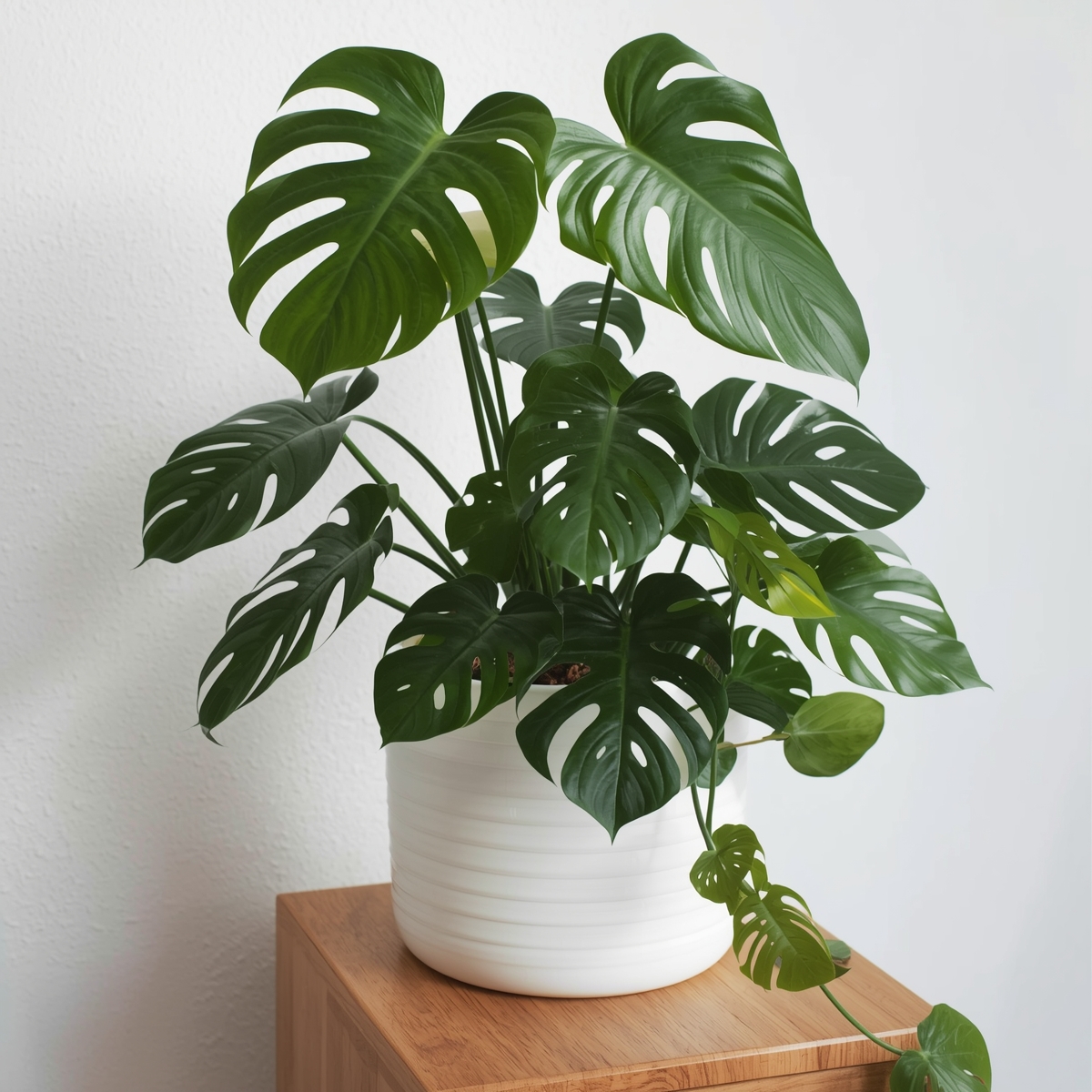
Well-draining soil: Most indoor plants need soil that drains well. Look for potting mixes labeled for indoor plants or add perlite for better drainage.
Pot selection: Choose pots with drainage holes. If you love a decorative pot without holes, use it as a cachepot and keep your plant in a plastic nursery pot inside.
Pot size: Only go up 1-2 inches in pot diameter when repotting. Too large a pot can lead to overwatering issues.
Soil refresh: Top-dress with fresh soil annually, or repot when roots fill the pot.
Repotting
When to repot: When roots are growing out of drainage holes, the plant is top-heavy, or growth has slowed significantly.
Best time: Spring and early summer, when plants are actively growing.
How to repot:
- Water your plant a day before repotting
- Gently remove the plant from its current pot
- Loosen the roots slightly if they're tightly bound
- Place in new pot with fresh soil, filling around the sides
- Water thoroughly and place in indirect light for a few days
Common Plant Problems
Yellow Leaves
Usually caused by overwatering or natural aging. Check soil moisture and reduce watering if needed. Remove yellow leaves to keep the plant healthy.
Brown Leaf Tips
Often a sign of low humidity or inconsistent watering. Increase humidity with a pebble tray or humidifier, and maintain consistent watering schedule.
Drooping Leaves
Can indicate both overwatering and underwatering. Check the soil—if dry, water thoroughly. If wet, let it dry out and check for root rot.
Pest Management
Common pests: Spider mites, mealybugs, and aphids are the most common indoor plant pests.
Prevention: Regularly inspect your plants, keep leaves clean, and maintain proper humidity levels.
Treatment: Isolate affected plants immediately. Wipe leaves with soapy water or use neem oil treatment. For severe infestations, consider using insecticidal soap.
Natural solutions: Many pests can be controlled with regular misting, neem oil, or introducing beneficial insects in larger collections.
Fertilizing Tips
Most indoor plants benefit from regular fertilization during their growing season (spring and summer). Use a balanced houseplant fertilizer diluted to half strength.
During fall and winter, reduce or stop fertilizing as plants enter dormancy. Always follow the instructions on your fertilizer package and never over-fertilize, as this can damage roots.
Signs your plant needs fertilizer include slow growth, pale leaves, or smaller than normal new growth. Remember, it's better to under-fertilize than over-fertilize.
Quick Care Checklist
Weekly Tasks
Check soil moisture, remove dead leaves, and inspect for pests.
Monthly Tasks
Clean leaves, rotate plants, and check for signs of growth or problems.
Seasonal Tasks
Repot if needed, adjust watering schedule, and fertilize during growing season.
Daily Observation
Take a moment each day to observe your plants and notice any changes.
Still Have Questions?
We're here to help! Reach out with any plant care questions or concerns.
Get in Touch